
Module Programming & Repairs
Modules fail in two ways: the memory corrupts, or a component on the board burns out. Either can sometimes be repaired, though not always. Replacing the unit means buying the part and coding it to the car, when sometimes the one already fitted can be put right.
Tell us the vehicle and what it is doing and we will tell you which of the two you are looking at.
What we do with modules
Diagnosis first: the fault is either in the memory or in the hardware, and that decides everything that follows.

ECU repair
Engine control units opened and repaired at component level, instead of buying a unit that then has to be paired to the car.

Body & comfort modules
The FRM, BCM and the rest of the modules that quietly run lighting, locking and comfort until they stop.

EEPROM fix
Corrupted memory read out, rewritten and put back. It brings back a lot of modules that look dead.

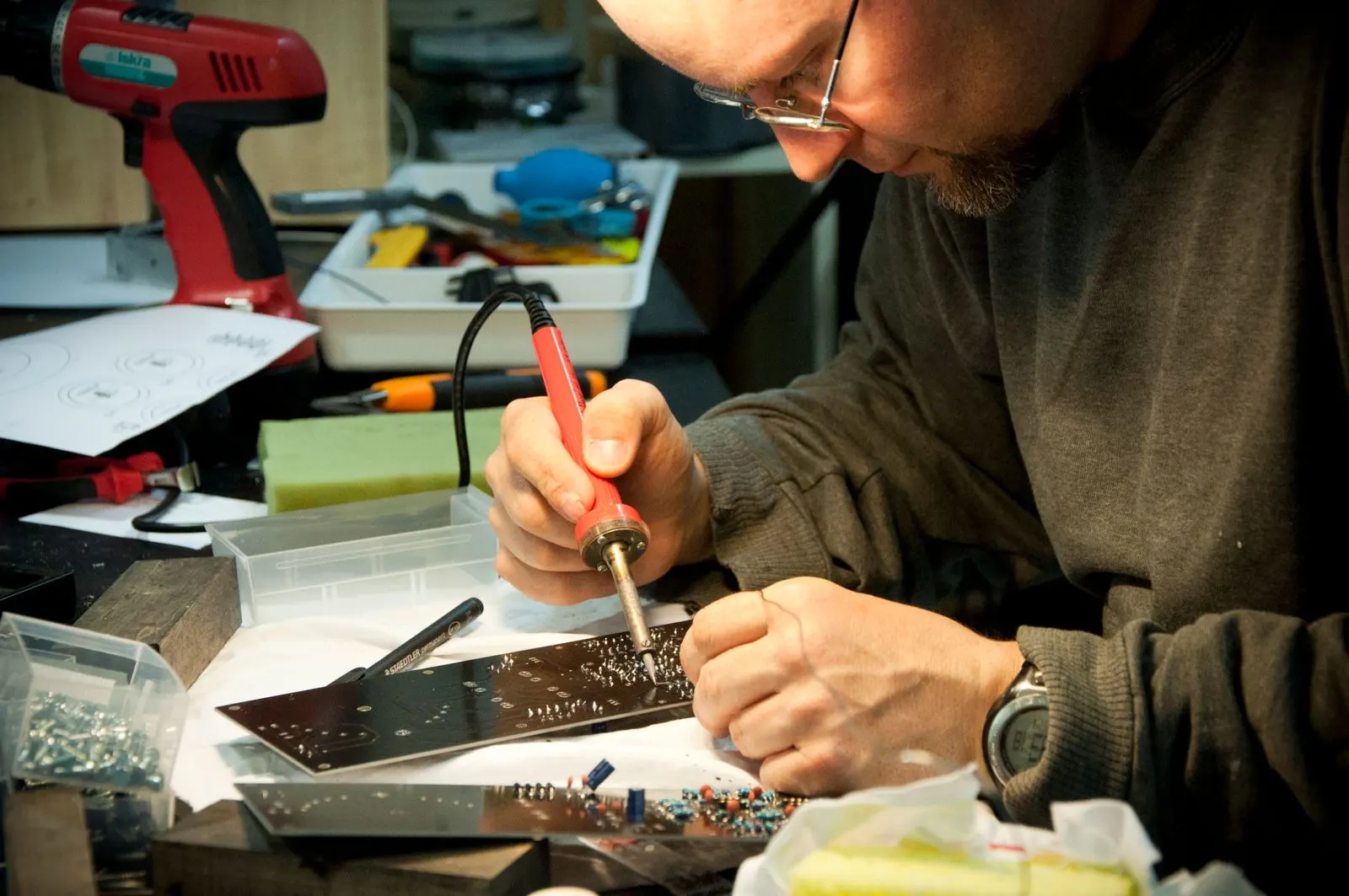
Open and re-solder
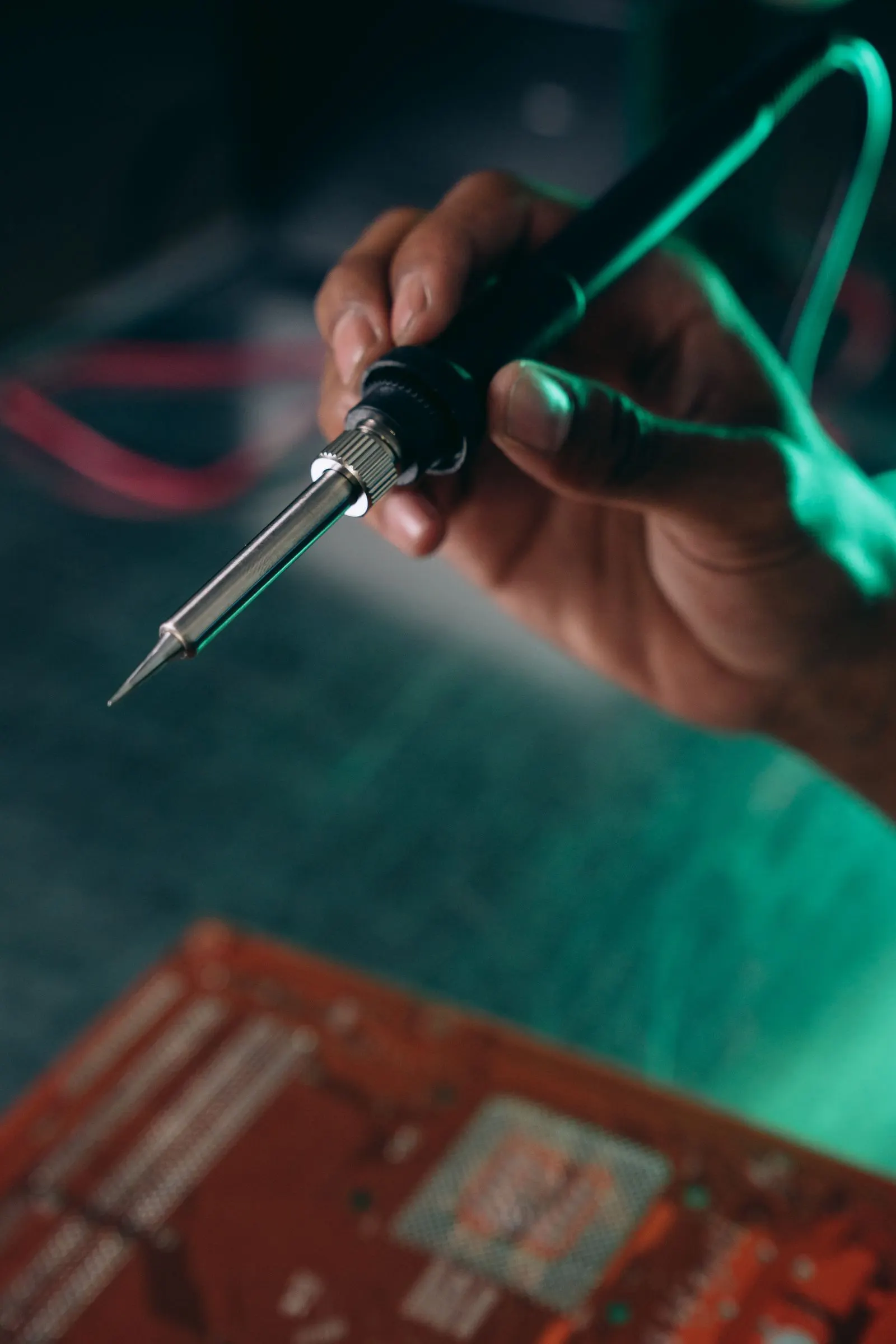
Board-level work: the case comes off and the failed component or dry joint is re-soldered.

Programming & coding
Repaired and replacement modules coded so the car accepts them and the fault stays gone.

When not to repair
Some boards are past saving. You will be told that rather than charged for a job that was never going to hold.
Repair, not replace
The unit on the car is already paired to it
A replacement module is only the start. It has to be sourced, then coded to the car, and on plenty of vehicles that means matching it to the immobiliser as well.
Repairing the unit already fitted skips all of that. It keeps its own coding, so it goes back on and works.
Some of the cases we see
The sections below are examples of some cases that have come through the workshop. They are not the limit of what can be repaired: modules fail in a lot of ways, and most are worth a look before anyone buys a replacement.
BMW & MINI
Lights, windows and mirrors, all dead at once
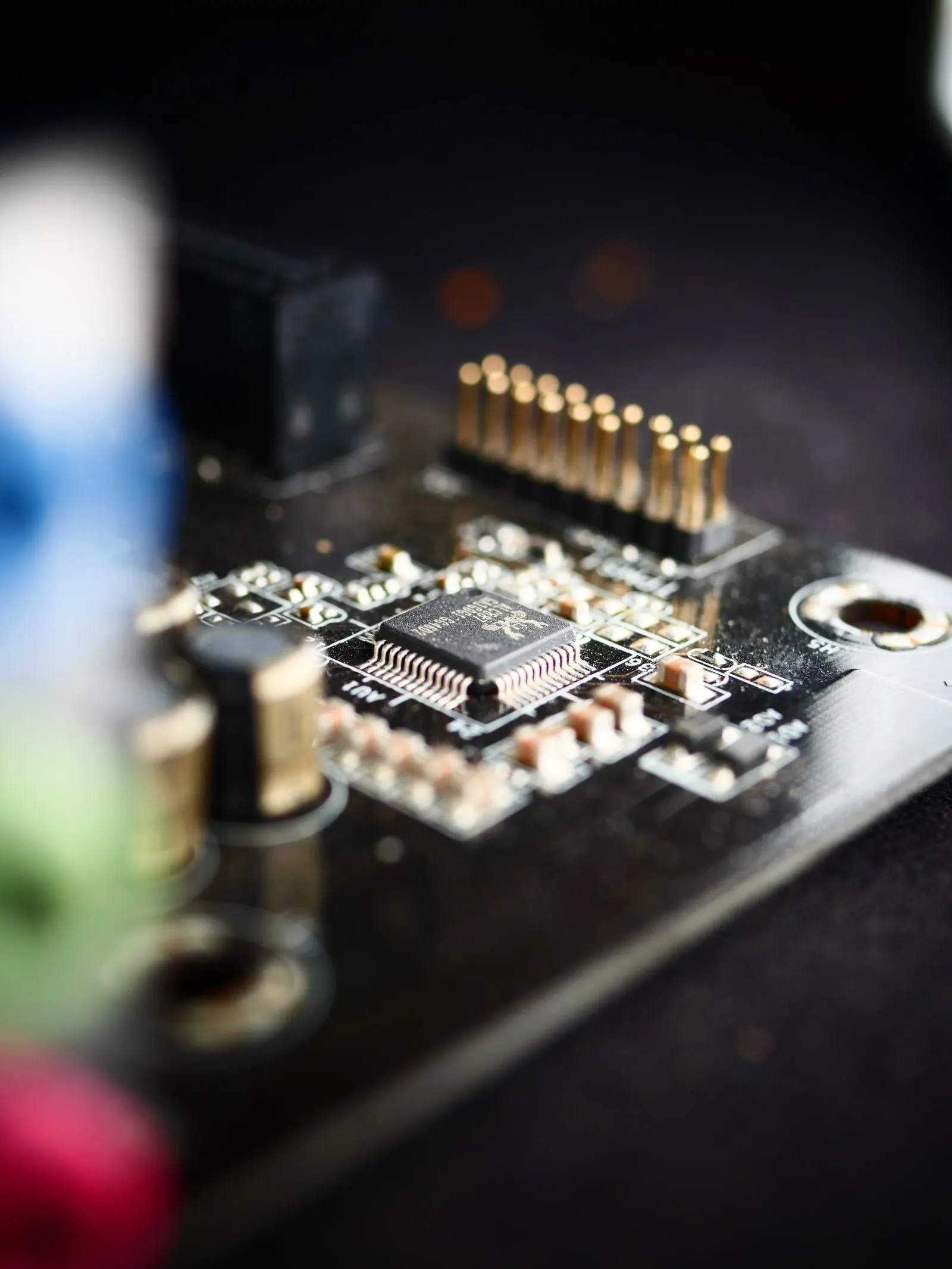
The footwell module runs the exterior lighting, the windows and the mirrors. When its memory corrupts, typically after a flat battery or a jump start, the lot goes together and the dash lights up with warnings that look like half the car has failed.
It has not. The module is read out, the memory rewritten and the same unit goes back on the car.
Audi
No key detected, and the key is fine
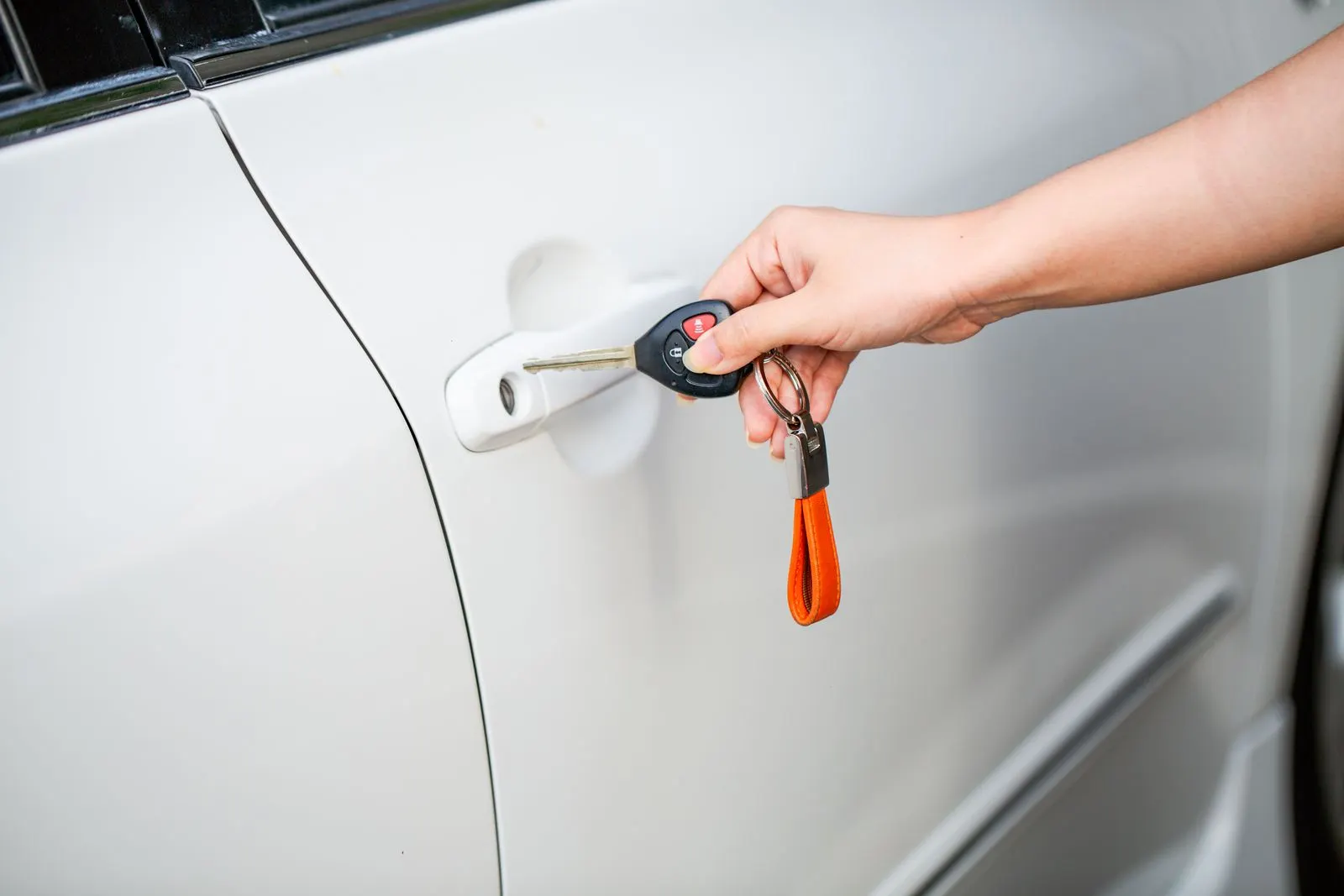
Key in, nothing. The dash reports no key detected, while the same key still works the central locking, which tells you the problem is at the reading end, not in your hand.
The module gets tested to establish whether the memory or the hardware has gone, then repaired and coded back to the car.
Audi
A corrupted BCM sends you chasing parts
Body control modules rarely fail cleanly. A corrupted one throws faults across systems that have nothing to do with each other, lighting, locking, comfort, and people end up replacing perfectly good parts trying to chase it.
Corruption lives in the memory, so it is read, rewritten and coded back. If the board is past that, a replacement is programmed to the car instead.
BMW
A misfire the coils and plugs will not fix
Swap the coil, swap the plug, and the misfire stays on the same cylinder. At that point it is not the ignition parts, it is the driver inside the DME that fires them, and no amount of reprogramming brings a burnt MOSFET back.
The ECU comes off, the case is opened and the failed component is re-soldered. The original unit stays on the car, so nothing needs pairing to the immobiliser afterwards.
How a module job works
Four steps, and the second one decides the other two.
Send the symptoms
Make, model, year, registration, what the car is doing and any codes already pulled off it.
Find where it sits
The module is tested to separate corrupted memory from failed hardware. That answer decides the repair.
Repair the board
Memory read out and rewritten, or the case opened and the failed component re-soldered.
Code it back
The module goes back on the car, gets coded, and the original fault is checked before you collect.
Module questions
Which modules can you repair?
The cases above are examples, not the limit. What decides it is the fault, not the badge: corrupted memory and failed components are the same job whatever the module is bolted into. Send us the vehicle and the symptoms and we tell you whether yours is one we can take on.
Can every module be repaired?
No. A failed module can sometimes, but not always, be repaired. Testing it tells us whether a repair is realistic, and testing is charged as a diagnosis whether or not the module is then repaired.
What does a repair involve?
One of two things. Corrupted memory is read out, rewritten and put back. A physical fault means the case comes off and the failed component or joint is re-soldered on the board.
Why not just fit a new module?
You can, and sometimes that is the right call. But a new unit has to be bought, coded to the car and on many vehicles matched to the immobiliser too. The one already fitted carries its own coding, so repairing it skips all of that.
Can you program a replacement module?
Yes. Where a repair is not realistic, we can supply a replacement, programmed and coded to your vehicle. We send you an estimate for it first.
How long does a module repair take?
It depends on the module and what has failed. We tell you once it has been tested.
How do I get a price?
Send the make, model, year, registration and what the car is doing using the form below, with any fault codes you have already pulled.
Enquire today
Vehicle, symptoms and any codes you have already pulled. That is usually enough to tell you whether the module can be saved.